For peer support, look for a group that fits your caregiving situation. For service navigation, start with CAN or the federal Eldercare Locator. For a break from hands-on care, ask a local agency about respite, eligibility and costs.
Choose the kind of support you need today
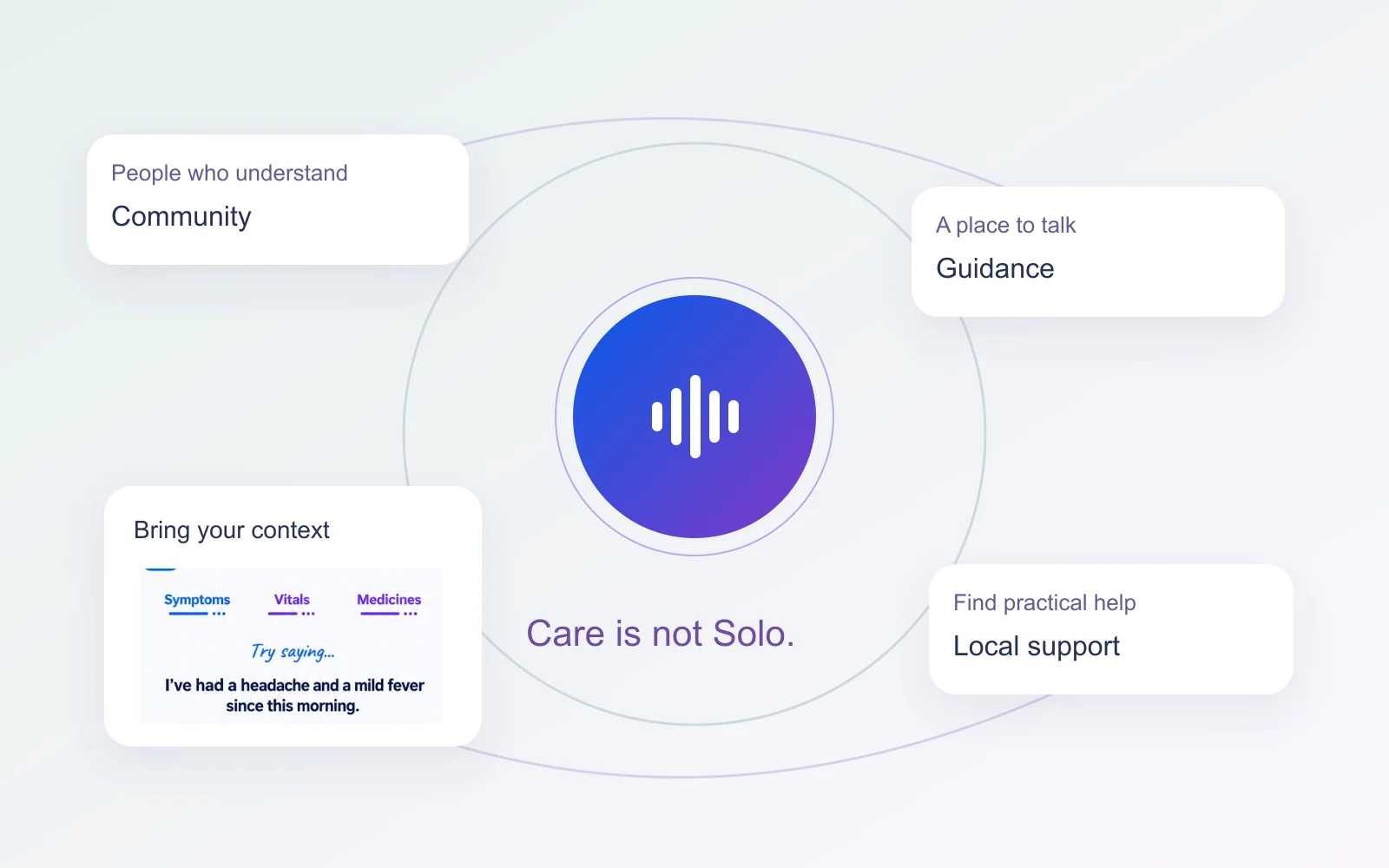
“Caregiver support” can mean several different things. A peer group offers conversation with people who understand the experience. A resource navigator helps you find services. Respite provides a temporary break from care. A healthcare professional can assess concerns about your own physical or mental health.
You may need more than one. Start with the most immediate practical question: “Who can help me find transport?” or “Where can I talk to other people caring for a parent?” A clear request makes the next conversation easier.
Three useful starting points in the US
Caregiver Action Network
The Caregiver Action Network · National Caregiver Help Desk offers caregiver guidance, resources and community support. Check the official page for current contact options, human-support hours and support-group registration. Always-available online resources do not mean a human adviser is available around the clock.
Eldercare Locator
The federal Administration for Community Living · Eldercare Locator connects older adults and families with local aging resources. Search using the care recipient’s location. A local Area Agency on Aging can explain relevant programs and how to apply; confirm what is available in that area.
National Family Caregiver Support Program
The Administration for Community Living · National Family Caregiver Support Program funds information, help finding services, counseling, support groups, training and respite. Eligible groups include adult informal caregivers of people age 60 or older and caregivers of people of any age with Alzheimer’s disease or related disorders, alongside other defined categories. Ask the local agency to assess your situation.
These are independent resources, not endorsements of Curex360. Program rules, contact methods and availability can change. Use the linked official pages for current details.
Find a caregiver support group that fits
Look for a group suited to your circumstances: caring for an aging parent, a particular condition, long-distance care or a local community. Online caregiver support groups may be easier to attend around work or a care routine. Ask whether a session is peer-led or facilitated, whether registration is needed, and whether there is a fee.
Before sharing personal information, ask about confidentiality, moderation and recording. You can describe your own experience without posting another person’s medical documents or identifying information. A group is a place for support, not a replacement for professional medical advice.
Ask practical questions about respite care
- Who is eligible? Describe the care recipient’s age, needs and location, and ask what documents are required.
- What type of help is available? Ask about in-home help, adult day services or other local options.
- What does it cost? Confirm charges, subsidies and limits. Do not assume respite is free or covered by insurance.
- When could it start? Ask about waiting lists, scheduling, staff training and backup arrangements.
- What information is needed? Prepare current instructions and contacts; share through the provider’s agreed process.
Availability varies by location and program funding. A first call may lead to a referral rather than an immediate service. Keep the contact name and the next step in your care plan.
Bring context to a support conversation
Before a call, write down what feels hardest, what help is already in place and the specific question you want answered. A short caregiver daily log can help you recall the week without retelling every event.
In Curex360, connected caregiver organizations can publish community updates and events. A helpline appears when that organization enables it. If you request a callback, review your summary and the information being shared before confirming. Access depends on the organization; using Curex360 does not automatically enroll you in CAN or another support service.
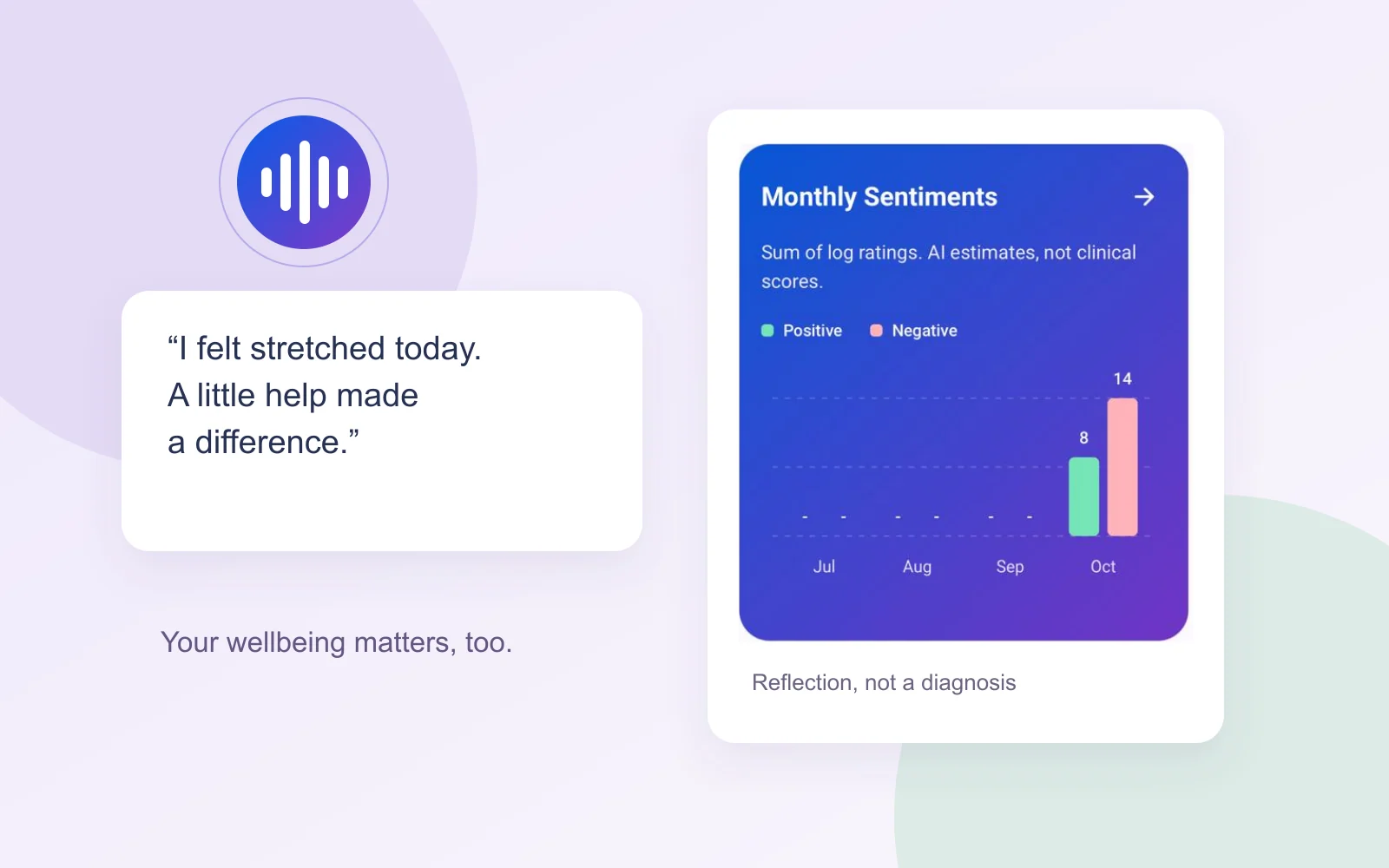
Your own wellbeing matters alongside the patient’s needs. Keep reflections in your Health Log, and use them as context for a conversation rather than as a clinical assessment.
Common questions
Are caregiver support services free in the US?
Some organizations offer free information, peer support or guidance. Respite and other services may have fees, eligibility rules or waiting lists. Confirm the specific program’s terms directly.
Can I get caregiver help if I live far from my parent?
Yes. Start with resources in the care recipient’s location and explain that you are coordinating remotely. Online groups can also provide peer support without travel.
Does connecting to a community share my whole health record?
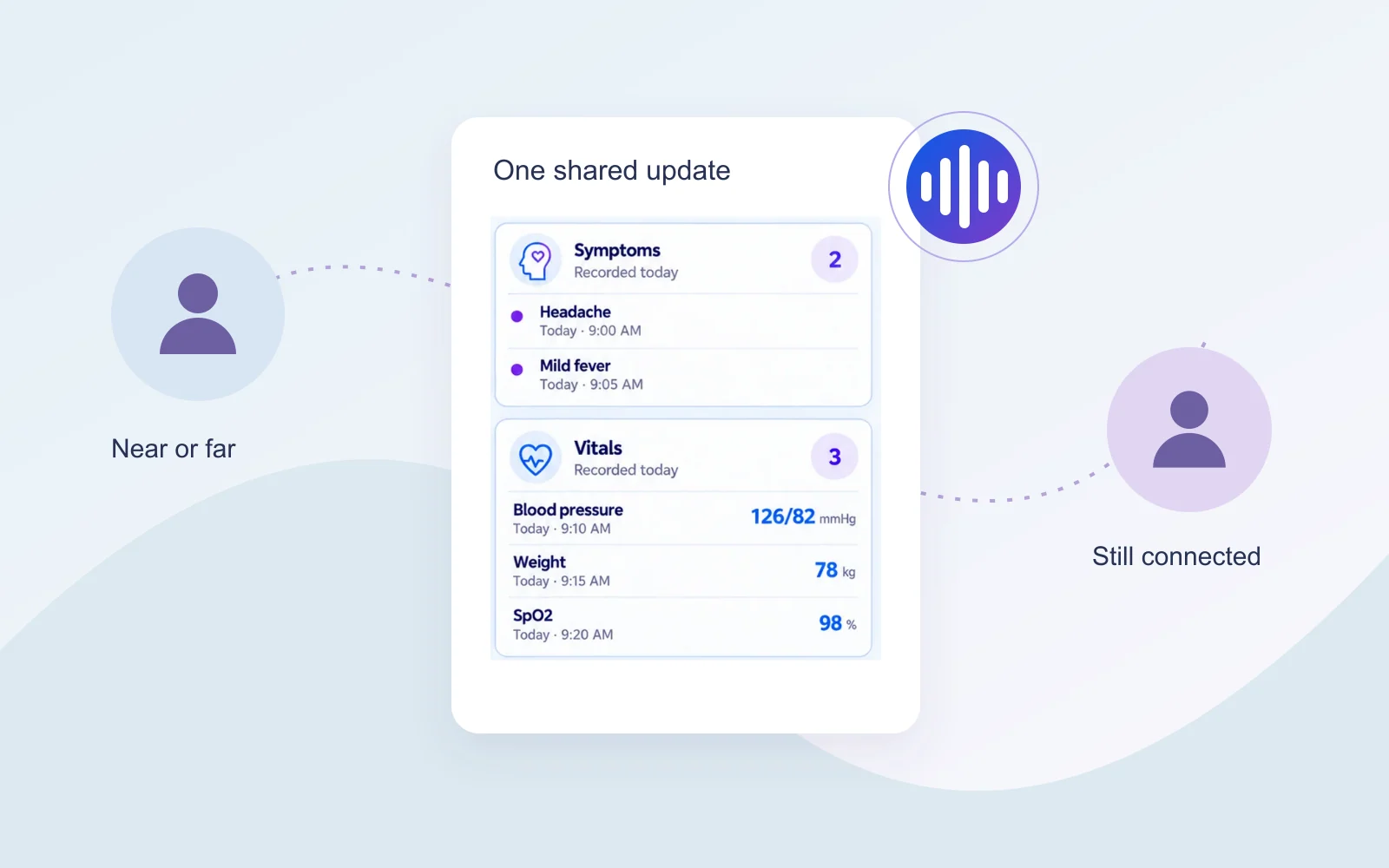
No automatic sharing should be assumed. Review the organization connection and the information shown in a callback request before confirming. Shared family updates and full profile permissions are separate controls in Curex360.
Sources & further reading
Educational guidance from Curex360. Medical concerns and medication decisions belong with a qualified healthcare professional.
- Caregiver Action Network · National Caregiver Help Desk
- Administration for Community Living · Eldercare Locator
- Administration for Community Living · National Family Caregiver Support Program
Sources checked November 3, 2026. External organizations do not endorse Curex360.