Persistent exhaustion, sleep changes, irritability and losing interest in usual activities can be signs of caregiver strain. They are reasons to seek support and discuss concerns with a healthcare professional, not a diagnosis from a checklist.
What caregiver burnout can feel like
Caregiving can be rewarding and demanding at the same time. Feeling overwhelmed does not mean you care less. Mayo Clinic · Caregiver stress: tips for taking care of yourself describes signs of caregiver stress that include feeling tired, changes in sleep, irritability, sadness, loss of interest in activities and neglecting your own appointments.
These experiences can have different causes. A list of signs cannot tell you whether you have burnout, anxiety, depression or another condition. If changes persist, affect daily life or concern you, speak with a qualified healthcare professional. Bring a few concrete examples of what changed and when.
It can help to notice the practical load as well as the feeling: repeated nighttime interruptions, little time away, managing appointments or being the only person who knows the routine. Those details make a request for help more specific.
Turn “I need help” into one practical request
- Name one task. Ask someone to cover a ride, collect groceries or stay with your parent during a planned break.
- Choose a realistic time. A specific day and duration are easier to arrange than an open-ended promise.
- Tell people what they need to know. Provide current instructions and contacts so you are not coordinating every detail during the break.
- Keep your own care on the calendar. Include appointments, sleep concerns and time with people who support you.
- Ask about ongoing support. A support group, counseling or respite service may offer help beyond a single handoff.
Mayo Clinic recommends accepting help, setting achievable goals, staying connected and seeking support. What is practical depends on the person’s needs, your resources and local availability.
A wellbeing log can help you describe the week
Try a short record of what happened, how you felt and what helped. You do not need to rate every moment. “I slept badly after being awake with Dad; my sister’s visit gave me an hour to rest” gives more context than a number alone.
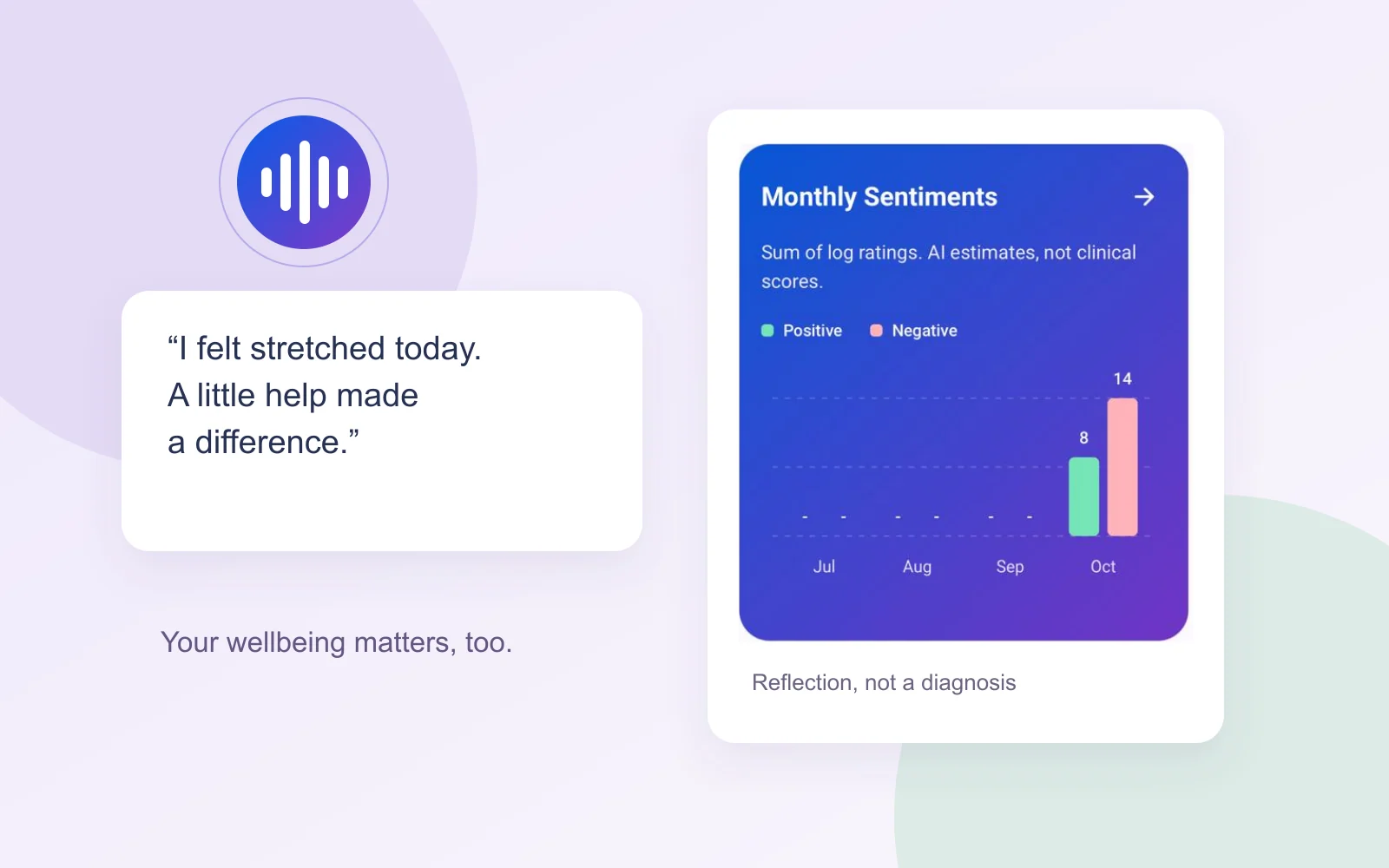
“I felt stretched today. Having someone take over dinner helped me feel calmer.”
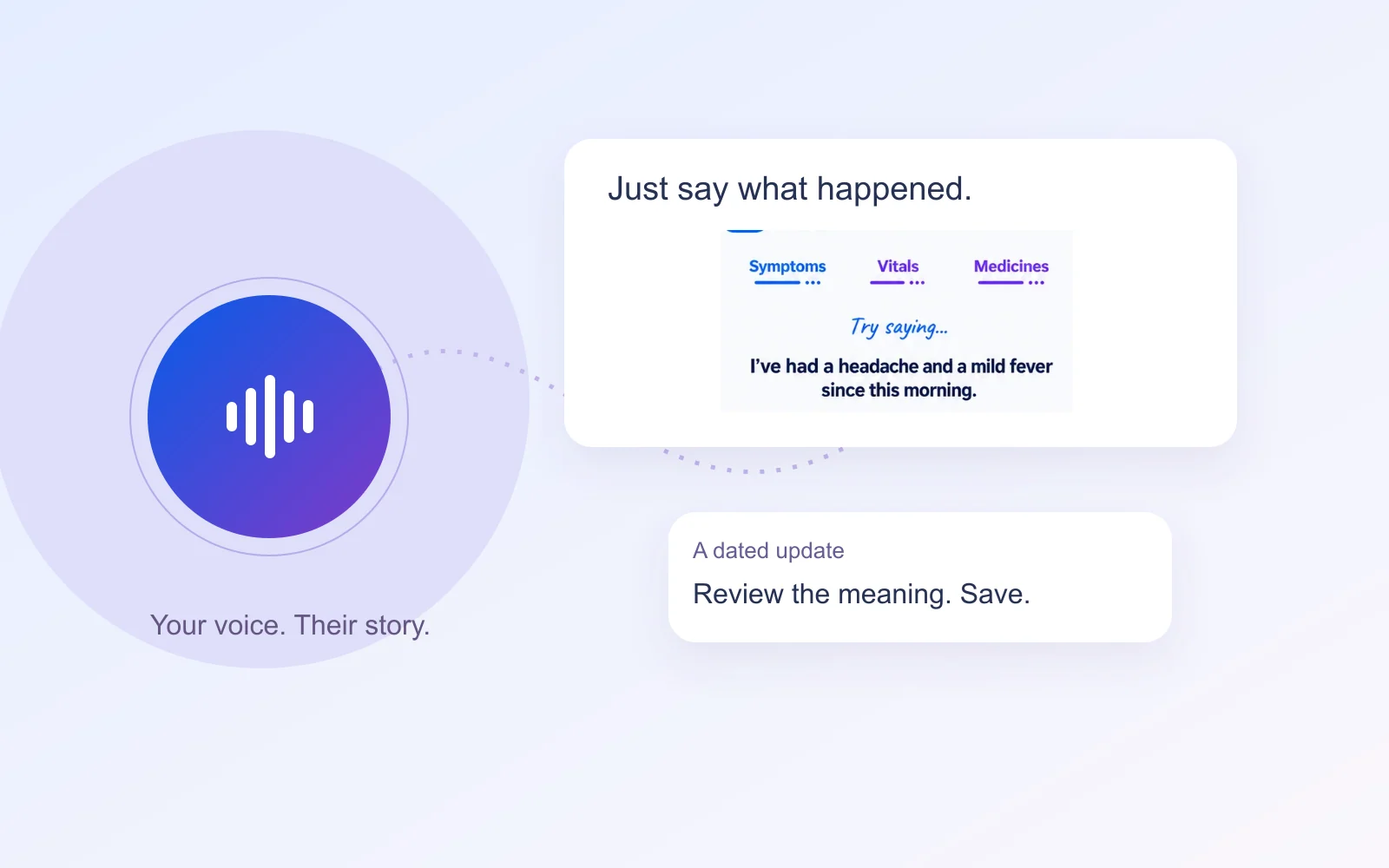
In Curex360 Health Log, you can speak in your language and review the summary, sentiment and themes before saving. Record your own feelings in your profile; when you are in a parent’s profile, keep the update about that person.
Monthly sentiment bars add up AI-estimated ratings from recorded entries. Recording more often can change the totals. They are not validated mental-health scores, do not diagnose burnout and should not be used to compare one person’s health with another’s. Read the entries alongside the chart.
Find support beyond the log
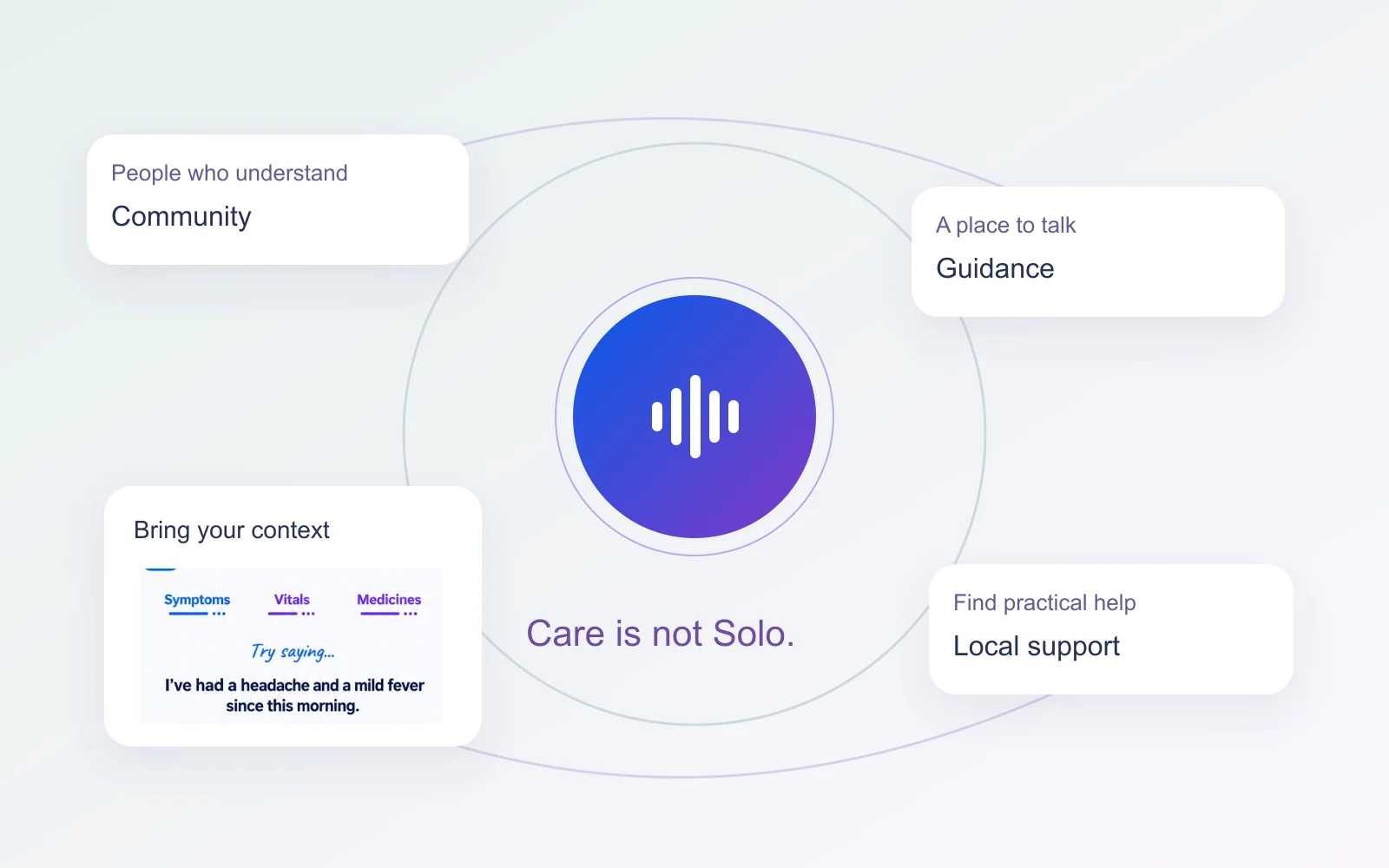
Use our US caregiver support guide to explore support groups, care-navigation resources and local respite options. CAN’s Caregiver Action Network · National Caregiver Help Desk provides caregiver guidance and resources; check its current contact options and hours directly.
In Curex360, an enabled, connected caregiver organization can offer community updates and a helpline. Availability depends on that organization. When requesting a callback, review the information you choose to share. This is an additional way to reach support, not continuous monitoring or emergency care.
Common questions
Can an app tell me whether I have caregiver burnout?
No. A wellbeing app can help organize your reflections, but AI sentiment is not a diagnosis or validated burnout assessment. Discuss persistent or concerning changes with a qualified healthcare professional.
What if I do not have family nearby to help?
Look for local aging services, caregiver support groups and respite options. Eldercare Locator can help you find agencies near the person receiving care; eligibility and availability vary.
Sources & further reading
Educational guidance from Curex360. Medical concerns and medication decisions belong with a qualified healthcare professional.
- Mayo Clinic · Caregiver stress: tips for taking care of yourself
- Caregiver Action Network · National Caregiver Help Desk
- Administration for Community Living · Eldercare Locator
Sources checked November 3, 2026. External organizations do not endorse Curex360.